Understanding Styes and Chalazions: What They Are and How We Can Help

If you’ve ever noticed a painful lump on your eyelid, you may have experienced a stye or chalazion. These common eyelid conditions can be uncomfortable, frustrating, and sometimes affect how people feel about their appearance.
The good news is that with the right care and early management, they can usually be treated effectively and in many cases, prevented from recurring.
At Eyecare Plus Mermaid Beach, our optometrists regularly help patients manage these conditions by addressing not only the immediate problem but also the underlying causes.
What Is a Stye?
A stye (hordeolum) is a small, painful lump that develops along the edge of the eyelid. It occurs when an oil gland or eyelash follicle becomes blocked and infected.
Common symptoms include:
A tender red bump on the eyelid
Swelling or eyelid tenderness
Watering or irritation in the eye
Sensitivity to light
A feeling of something in the eye
Styes often develop quite quickly and may look similar to a pimple near the eyelash line.
What Is a Chalazion?
A chalazion is slightly different. It usually develops when an eyelid oil gland (called a meibomian gland) becomes blocked.
Unlike a stye, a chalazion is typically:
Less painful
Slower to develop
More firm or swollen in appearance
Although it may not hurt, a chalazion can persist for weeks or months if not managed properly.
Why Do Styes and Chalazions Occur?
Many people think these conditions happen randomly, but they often relate to underlying eyelid health.
Common contributing factors include:
Blocked oil glands in the eyelids
Blepharitis (inflammation of the eyelids)
Dry eye disease
Skin conditions such as rosacea
Hormonal changes
Poor eyelid hygiene
Frequent eye rubbing
In some cases, recurring styes or chalazions are a sign that the meibomian glands are not functioning properly, which can also contribute to dry eye symptoms.
Why Proper Diagnosis Matters
While some styes can resolve on their own, others require professional care.
If left untreated, they can:
Persist or grow larger
Recur frequently
Cause eyelid swelling or inflammation
Occasionally affect vision if large enough
More importantly, repeated styes or chalazions often indicate an underlying eyelid condition that needs treatment.
That’s where a thorough eye examination can make a big difference.
How We Help at Eyecare Plus Mermaid Beach
Our optometrists take a whole-eye approach when managing eyelid conditions.
Rather than simply treating the lump, we focus on identifying and addressing the root cause to prevent recurrence.
Treatment may include:
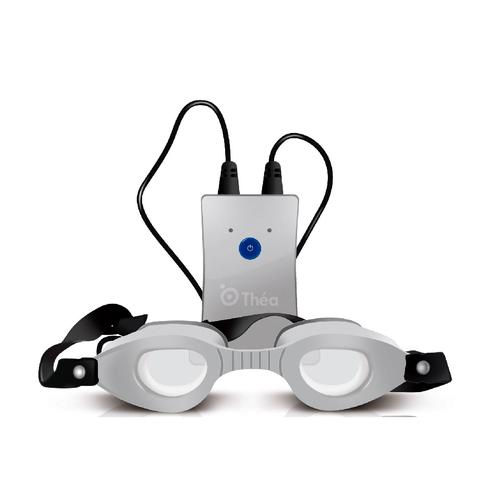
✔ Warm compress therapy✔ Eyelid hygiene routines✔ Prescription medications when needed✔ Dry eye management✔ Meibomian gland assessment and care✔ Personalised advice for long-term prevention
This approach helps patients experience long-term relief and healthier eyelids.
Watch Alicia Explain Styes and Chalazions
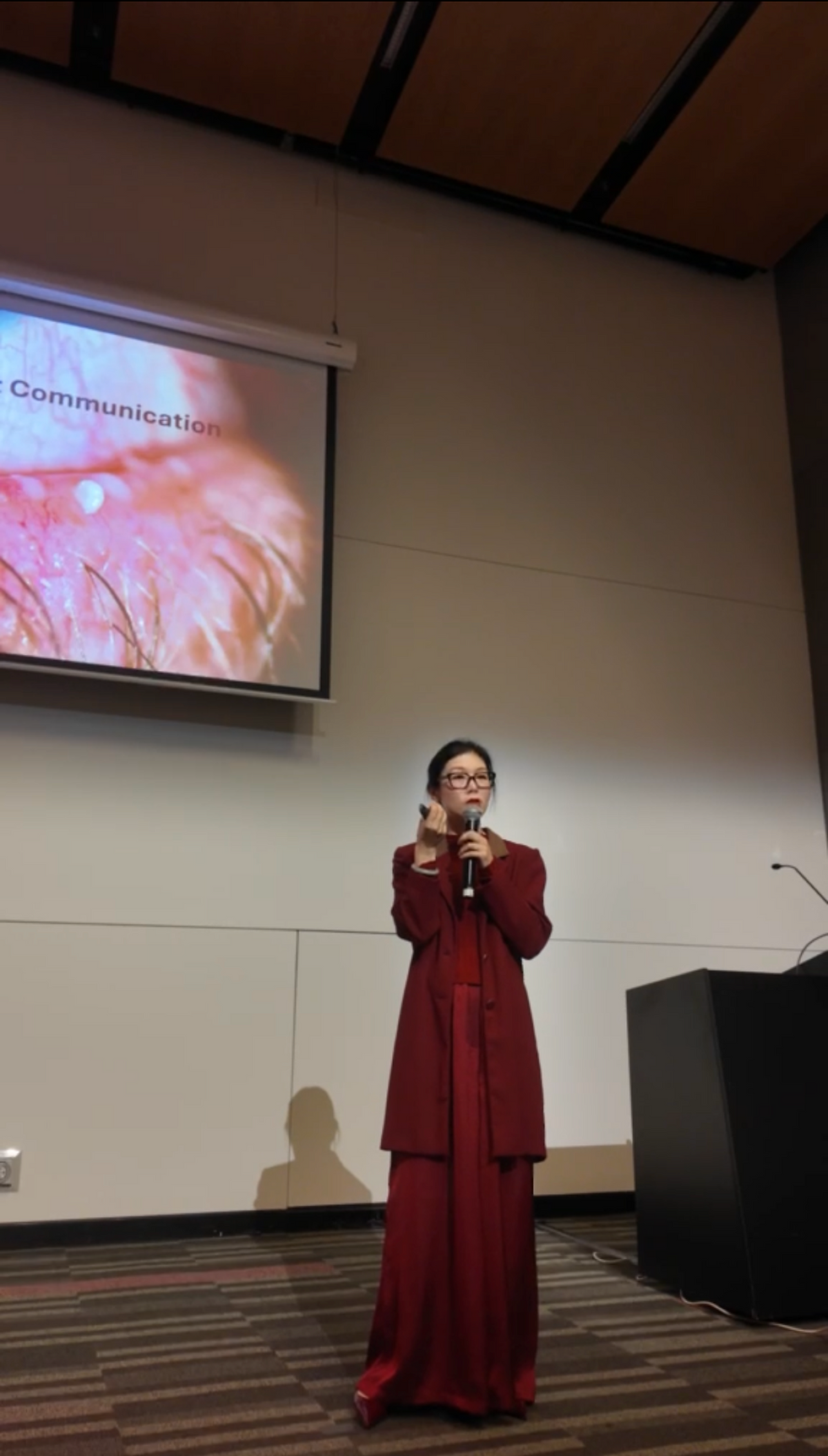
To help patients better understand these conditions, our Senior Clinical Optometrist Alicia Lou has recorded a short video explaining:
What styes and chalazions are
Why they occur
How they are treated
And how proactive care can prevent them from coming back
Alicia is passionate about helping patients understand their eye health and feel confident managing it.
When Should You See an Optometrist?
It’s worth booking an eye examination if:
You notice a lump around the eye
You experience recurring styes or chalazions
The swelling is worsening
Your vision becomes affected
You are unsure what the lump may be
Early treatment often leads to faster recovery and fewer complications.
Caring for Your Eyes Long-Term
Eyelid health is an important part of overall eye health. Many patients are surprised to learn that conditions like dry eye, blocked glands, and eyelid inflammation can contribute to recurring eyelid problems.
At Eyecare Plus Mermaid Beach, we focus on protecting what matters most, your vision, comfort, and lifelong eye health.
If you’re experiencing eyelid irritation, swelling, or recurring styes, our team would be happy to help.