Dry Eyes in Young People: Why Your Child’s Screen Time May Be Affecting Their Eye Health


Dry eye disease is often thought of as something that affects older adults, yet new evidence shows that children and young people are increasingly experiencing dry eye symptoms, and the rise may be closely linked to digital screen use.
At Eyecare Plus Mermaid Beach, we are seeing this trend firsthand and are committed to educating families on how to recognise, prevent, and manage dry eye in younger patients.
Dry Eye in Young People: A Growing Concern
According to recent ABC News reporting, dry eye disease is now being diagnosed in people as young as 12 years old, a condition traditionally seen in older adults.
Optometrists, including those on the Gold Coast, are treating increasing numbers of younger patients with dry eye symptoms, often linked to lifestyles dominated by digital devices. Research suggests that environmental and lifestyle factors, such as prolonged screen time, may contribute to this trend.
How Screen Time Affects Young Eyes
One of the main reasons dry eye is appearing in younger populations is the way screens impact blinking and tear film stability:
People blink significantly less often when using digital devices, research shows blink rate drops after extended screen use, reducing tear distribution and increasing evaporation.
Studies indicate that children with more than 3–4 hours of daily screen exposure have a higher risk of developing dry eye symptoms.
Extended screen use can also change blinking patterns, leading to ocular surface changes consistent with dry eye.
This means that even kids who aren’t yet adults can experience irritation, redness, dryness, itching, or eye discomfort, symptoms traditionally attributed to older individuals.
Signs of Dry Eye in Children & Teens
Dry eye symptoms in young people may be subtle or easy to overlook. Parents and carers should look for:
Frequent eye rubbing or blinking
Red, irritated, or watery eyes
Complaints of tired or itchy eyes
Sensitivity to light
Difficulty with sustained screen tasks
Because children may not always verbalise discomfort, early monitoring and detection are key.
Why Early Detection Matters
Dry eye disease is a chronic and progressive condition that affects the tear film, the protective layer that keeps the eye comfortable and clear. If left unaddressed, it can lead to ongoing irritation, visual disturbance, and reduced quality of life.
The good news is that early intervention makes dry eye much easier to manage. When caught in the mild or moderate stages, treatments and behavioural changes are more effective and can prevent symptoms from becoming severe.
What You Can Do at Home
While advanced treatment options are available, there are simple lifestyle habits that can help protect young eyes:
✅ Limit continuous screen time — frequent breaks help reduce blink rate suppression.
✅ Encourage the 20-20-20 rule: every 20 minutes, look at something 20 feet away for 20 seconds.
✅ Make sure your child blinks regularly during close visual tasks.
✅ Promote a balance of outdoor activity and screen time, as outdoor light and movement can benefit eye comfort.
✅ Ensure adequate hydration, sleep, and diet, all play a role in overall eye health.
Professional Dry Eye Care for Young People
If your child is complaining of eye discomfort, especially with increased screen use, a comprehensive eye examination can help determine whether dry eye disease or other visual issues are present.
At Eyecare Plus Mermaid Beach, we offer:
Detailed dry eye assessments
Individualised treatment plans
Education on eye health and screen habits
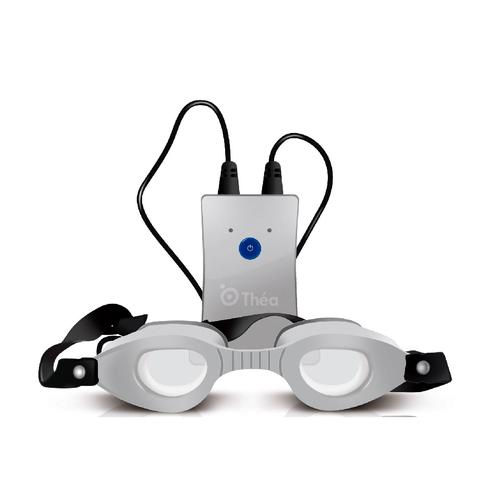
Advanced technologies for dry eye management
Early diagnosis and treatment give your child the best chance of comfortable, healthy vision now and into the future.

Book a Dry Eye Assessment for Your Child
If you’re concerned about your child’s eye comfort, especially in a digital world, professional assessment and tailored advice can make a difference.
Eyecare Plus Mermaid Beach — Dry Eye Clinic
Call 5526 1400 | Book your appointment online today